Bribe for Vote – Good or Bad?
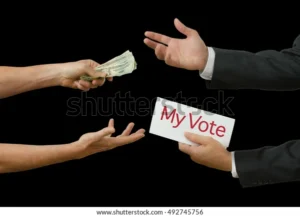
The concept of “bribing for votes” is a serious issue in democratic systems across the world. It refers to the practice where candidates or political parties offer money, gifts, or other benefits to voters in exchange for their votes during elections. While some people may see short-term benefits in accepting such offers, the larger impact on society and democracy is deeply harmful. In this article, we will explore whether bribing for votes is good or bad, its consequences, and why it must be strongly discouraged.
What is Bribing for Votes?
Bribing for votes occurs when politicians or their representatives try to influence voters by offering cash, goods, or promises of personal benefits instead of focusing on policies, development, and governance. This practice is illegal in most countries, including India, and is considered a form of corruption.
Examples include:
- Distributing money before elections
- Offering free gifts like TVs, laptops, or household items
- Providing alcohol or food in exchange for votes
- Promising personal favors instead of public development
Why Do Some People Accept Bribes?
Despite being illegal, bribe for vote
-
Poverty and Immediate Needs
In economically weaker sections, people may accept money or goods because they need immediate support for survival. For them, short-term benefits seem more important than long-term governance.
-
Lack of Awareness
Some voters are not fully aware of the consequences of selling their vote. They may think it is normal or part of the election process.
-
Distrust in Politics
When people lose faith in politicians, they may feel that “everyone is the same,” so they might as well take whatever benefit they can.
Is Bribing for Votes Good?
At first glance, some may think bribe for vote is beneficial because:
- Voters receive money or goods
- It provides temporary financial relief
- People feel they are gaining something directly
However, these are only short-term advantages. In reality, bribing for votes is not good in any way. It creates more harm than benefit.
Why Bribe for Votes is Bad
-
Destroys Democracy
Democracy is based on free and fair elections where people vote based on policies, leadership, and vision. When votes are bought, the entire democratic process becomes corrupted. Leaders are chosen not for their capability but for their ability to pay.
-
Promotes Corruption
When politicians spend money to buy votes, they often try to recover that money after winning. This leads to corruption in governance, misuse of public funds, and unethical practices.
-
Poor Governance
Leaders who win through bribery may not focus on development. Their priority is not public welfare but personal profit. This results in:
- Poor infrastructure
- Lack of healthcare and education
- Slow economic growth
-
Inequality in Society
Vote bribery favors wealthy candidates who can afford to spend money. Honest and capable leaders without financial power may lose elections, leading to an unfair system.
-
Weakens Accountability
When voters sell their votes, they lose the moral right to question leaders later. This weakens accountability and allows politicians to act irresponsibly.
Long-Term Consequences
The long-term effects of bribe for vote are severe and damaging:
- Increased corruption at all levels of government
- Decline in public services like roads, schools, and hospitals
- Reduced trust in democracy
- Economic instability
- Growth of unethical political culture
Over time, this creates a cycle where corruption becomes normal and difficult to eliminate.
Legal Perspective
In India, bribing voters is a criminal offense under election laws. Both the person offering the bribe and the voter accepting it can face legal consequences. The Election Commission takes strict action, including:
- Disqualification of candidates
- Cancellation of elections
- Legal penalties and imprisonment
This shows how seriously the law views this issue.
Ethical Perspective
From a moral standpoint, bribing for votes is clearly wrong. Voting is not just a right but also a responsibility. Selling a vote is like selling the future of the country.
Ethical voting means:
- Choosing leaders based on merit
- Considering long-term development
- Thinking about the welfare of society
How to Stop Vote Bribery
-
Increase Awareness
Educating people about the harmful effects of vote bribery can reduce its acceptance.
-
Strict Law Enforcement
Authorities must take strong action against those involved in bribery.
-
Responsible Citizens
Voters should refuse to accept bribes and report such activities.
-
Promote Transparency
Encouraging transparent political campaigns can help build trust and reduce corruption.
Role of Youth
Young voters play a crucial role in shaping the future of a country. They are generally more aware and can:
- Reject bribery
- Influence others
- Promote ethical voting practices
Their participation can bring positive change in the political system.
Conclusion
Bribing for votes is not just a bad practice—it is a dangerous threat to democracy. While it may offer short-term benefits to individuals, it leads to long-term damage to society, governance, and economic development. It promotes corruption, weakens democracy, and results in poor leadership.
A strong and healthy democracy depends on informed and responsible voters. Instead of accepting bribes, people should vote based on values, policies, and leadership qualities. Only then can a nation progress and achieve true development.
In the end, a vote is powerful—it should never be sold, but used wisely for the better future of the country.
You have not enough Humanizer words left. Upgrade your Surfer plan.
Top of Form
Bottom of Form